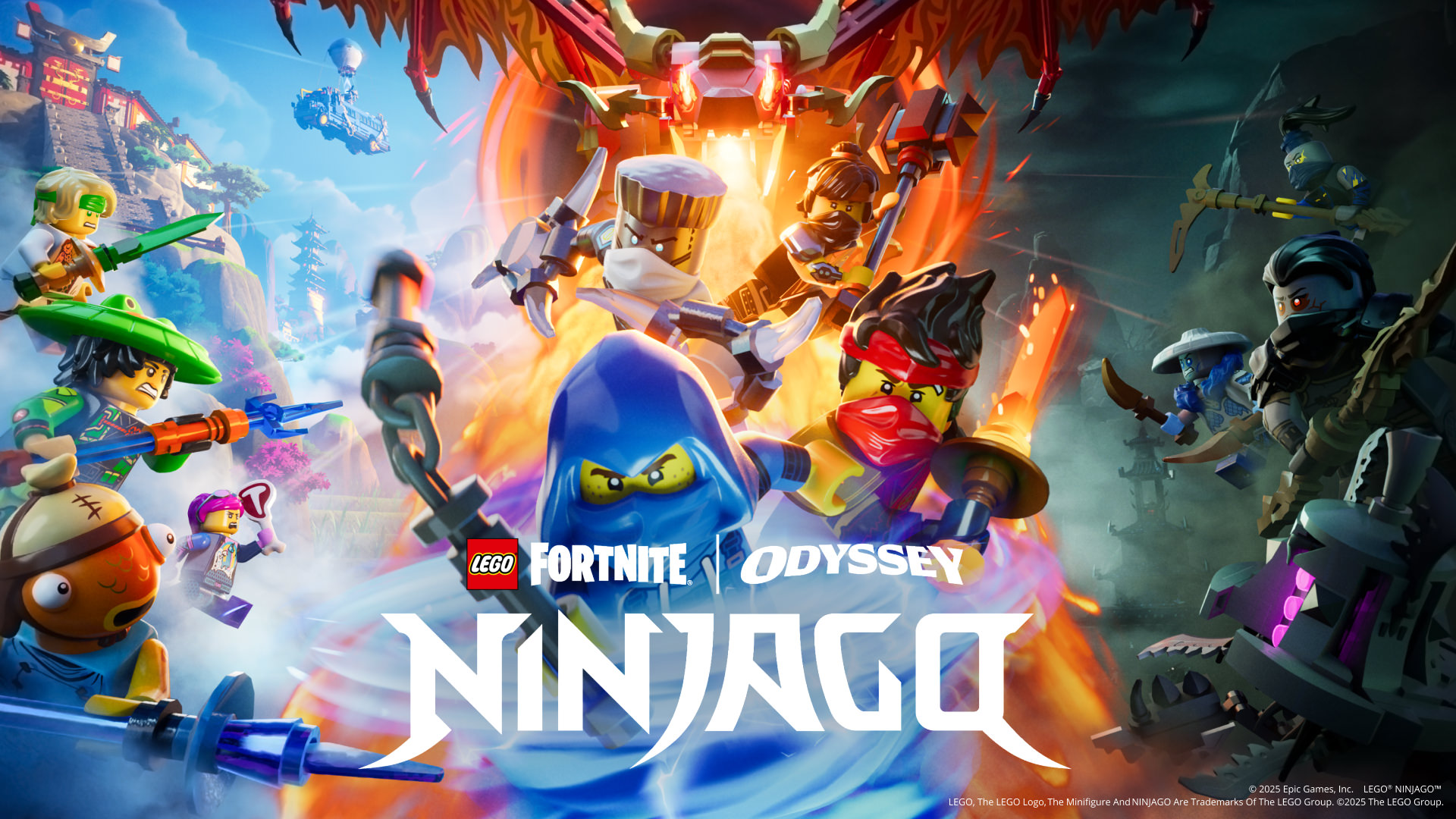
Lego Fortnite Ninjago
Level Designer
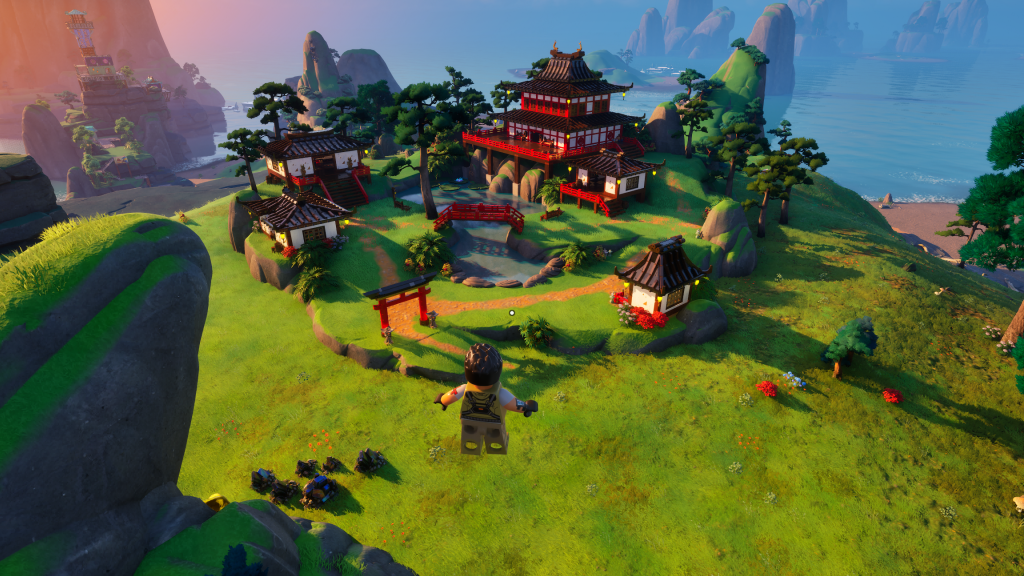
For the Ninjago update of Lego Fortnite, I had the opportunity to create points of interest that spawned in a large, procedural island. These POIs were comprised of natural assets for the terrain and foliage while Lego was used for the structures. Working with Lego was a fun challenge because we had to follow the physical rules of Lego bricks, but they also provided a lot of freedom in designing structures. I often used pieces in unintended and creative ways to achieve my goals.
Aside from POIs fitting into the world of Ninjago and supporting various gameplay objectives, I wanted them to tell a story and feel like a place players might want to live. We aimed to push the limits of what was possible within our constraints in terms of size and complexity and successfully raised the bar for POIs in Lego Fortnite with this update.


Lego Fortnite Expeditions
Level Designer
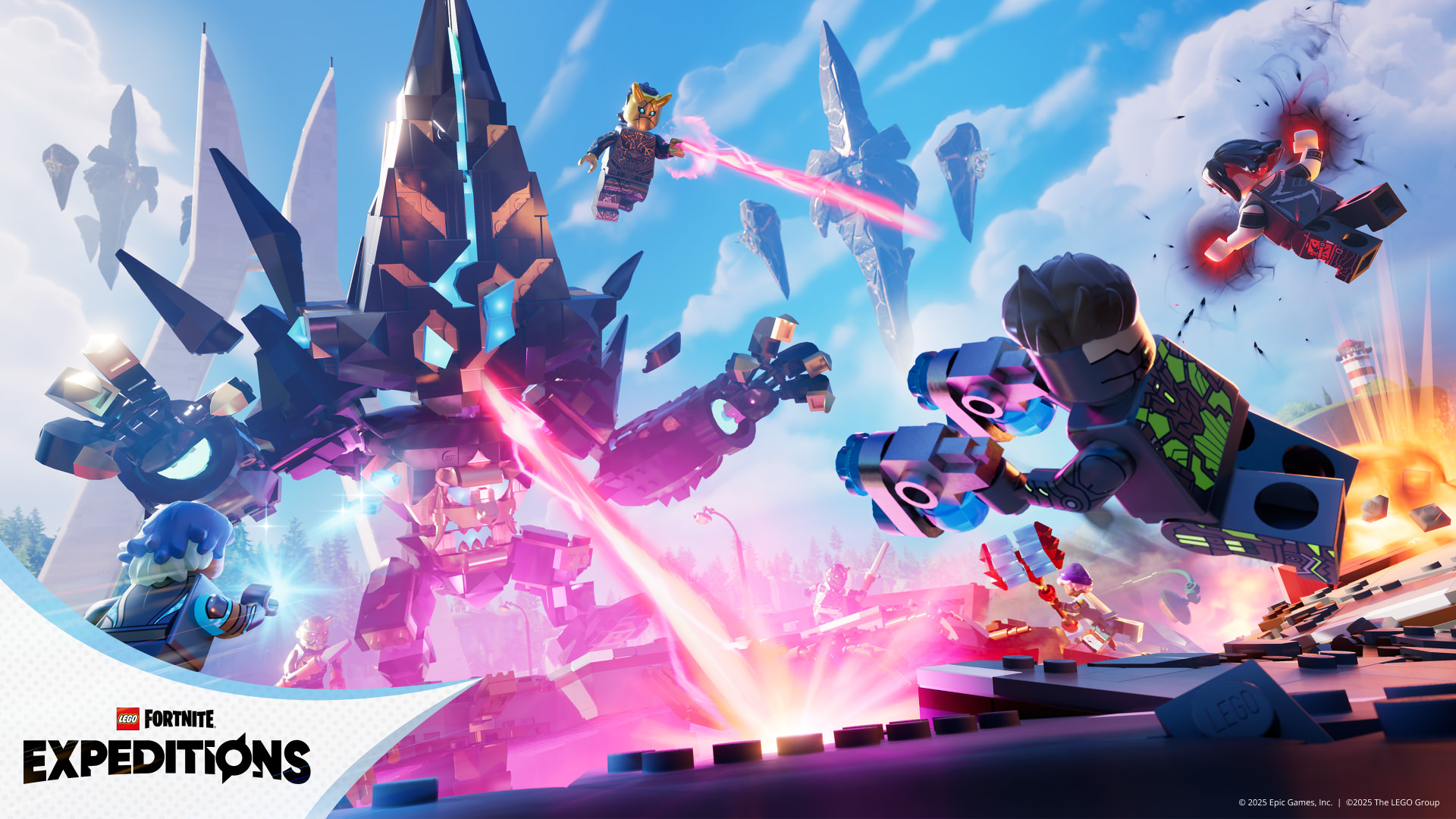
The Expeditions limited time mode for Lego Fortnite was an exciting project because we took a break from procedural content and designed larger, bespoke maps. My goal for the Spire Excavation Site was to create a classic, 3-lane map with good flow and fun traversal opportunities for the new hero abilities. Players could easily grapple, teleport, and fly their way to the next objective which added a lot of fun to the experience.
Creating this map required a lot of collaboration with other teams. I communicated frequently with the gameplay team to ensure each mission area adequately supported the various objectives and worked closely with the concept and environment art teams to bring the original vision to life. This was a large effort by many talented folks at Epic and I’m proud of what we accomplished.
Lego Fortnite Odyssey
Level Designer
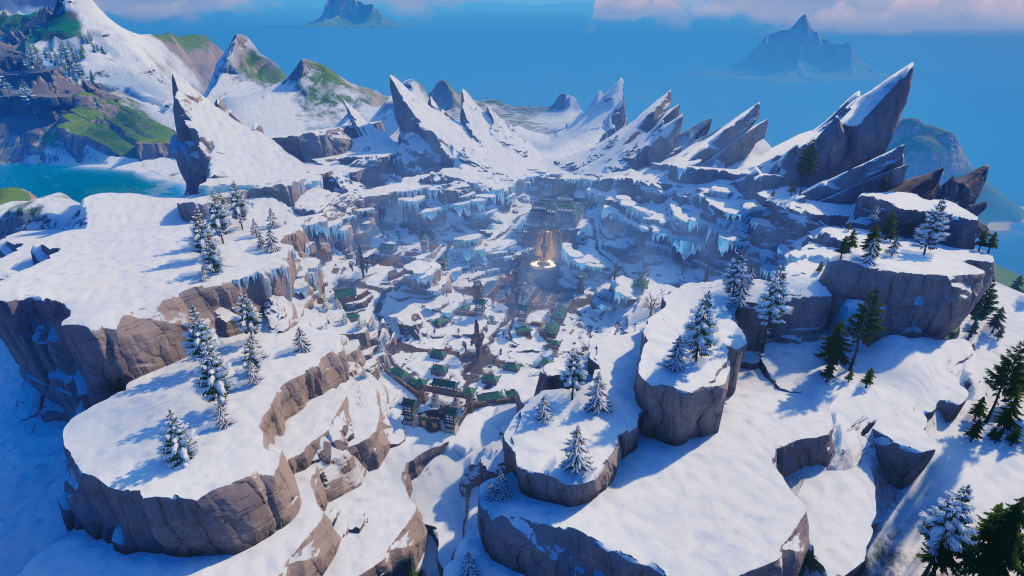
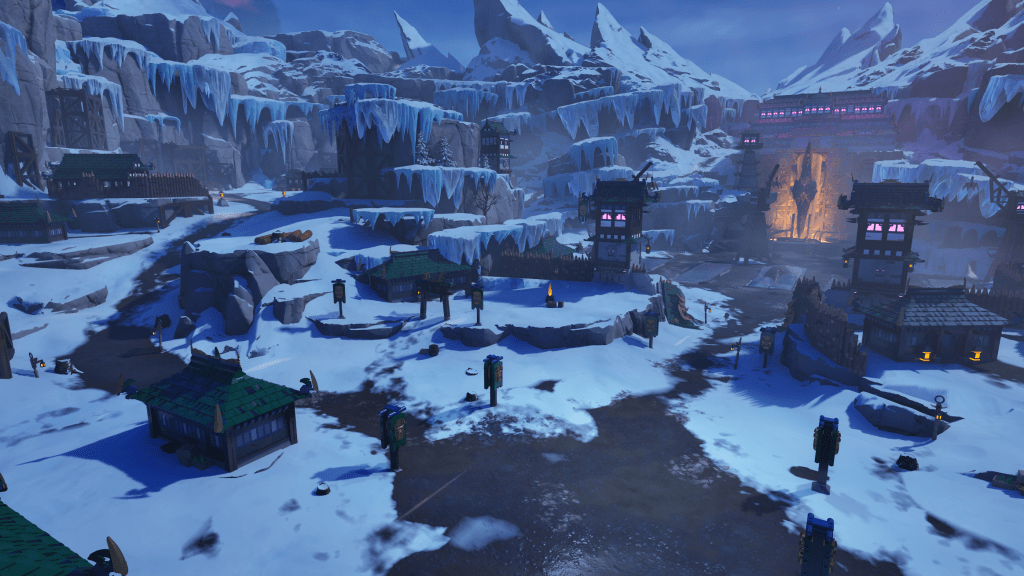
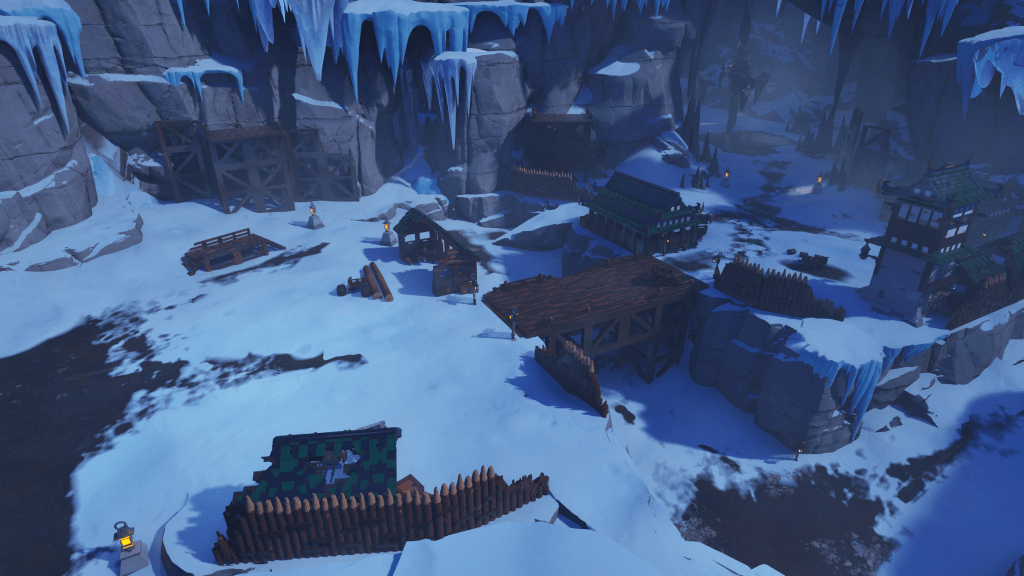
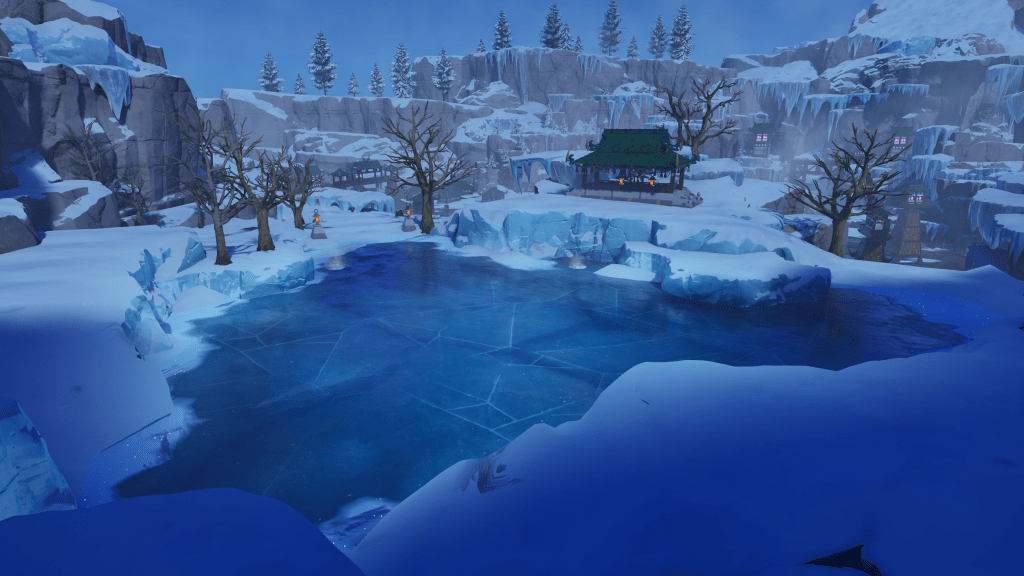
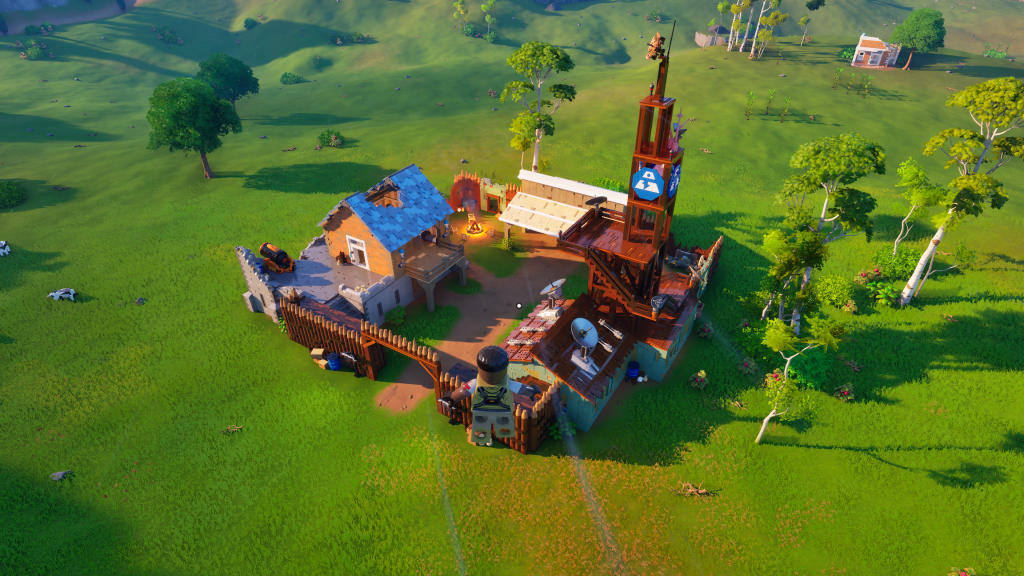
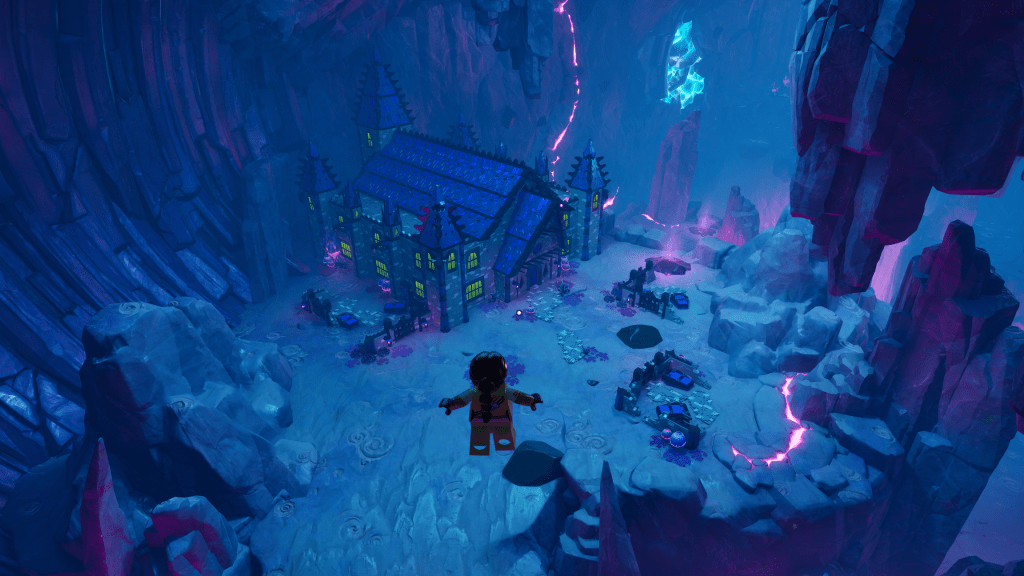
For the Odyssey update of Lego Fortnite, I owned the POIs related to the main questline. Players would start at a ruined village that served as a tutorial, go to the Storm Chaser base of operations to study the storm biome, find Raven’s tower, and finally activate the teleporter inside to reach his castle and fight him. Players would then be able to challenge the Storm king.
The Storm Chaser base was really fun to design because we wanted it to feel like a player-built village so I incorporated Lego pieces from a few different themes. I approached it as if multiple players were building on the ruins of a castle. It was challenging not to make the mix too jarring, but I am pleased with the end result.
I also really enjoyed working on Raven’s castle. I had the opportunity to collaborate with the designer who owned the boss’s AI and we pitched a large cathedral for the arena. Inside were pillars the player could use as cover and a throne that Raven steps down from to start the fight. This all went above what was asked of us and elevated the experience.



Lego Fortnite Lost Isles
Level Designer
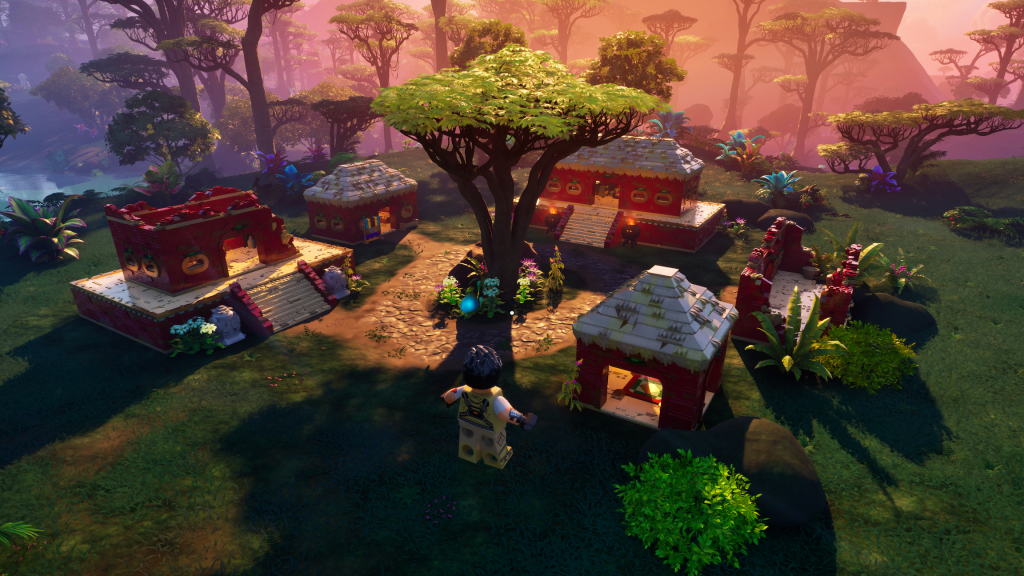
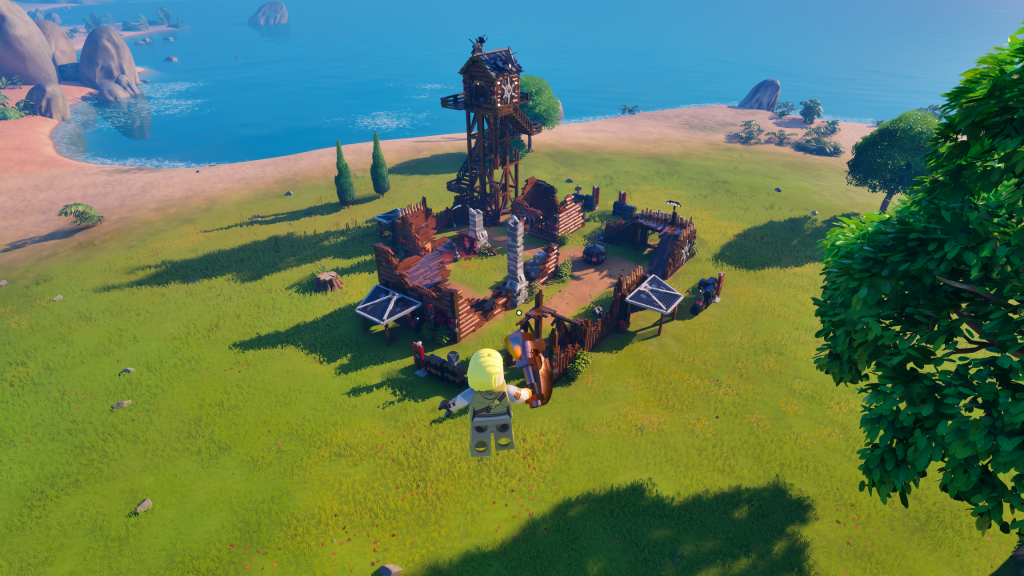
Creating POIs for the Lost Isles update of Lego Fortnite was very exciting because we had 4 new Lego kits to build with. Between temple, stronghold, pirate, and village, it was super fun to explore different styles within a single update. We succeeded in ensuring each theme had a different feeling and narrative unique to itself.
This was also the first update level designers owned AI navigation markup. Integrating AI pathing/behavior for my own POIs enabled me to create a better gameplay experience for players since I designed the layouts themselves. This workflow ensured more synergy between enemies and their environments.


Lego Fortnite Star Wars
Level Designer
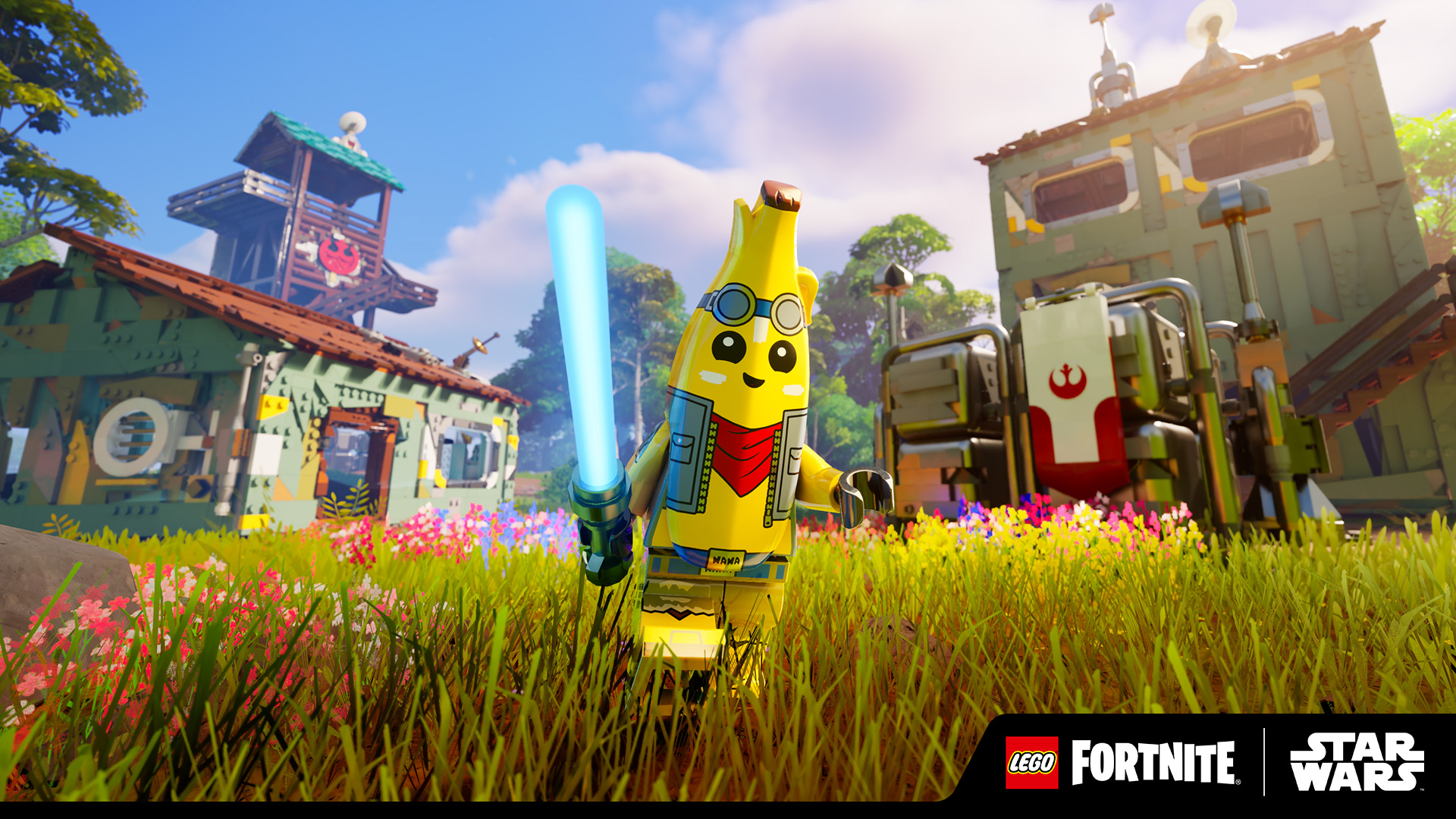
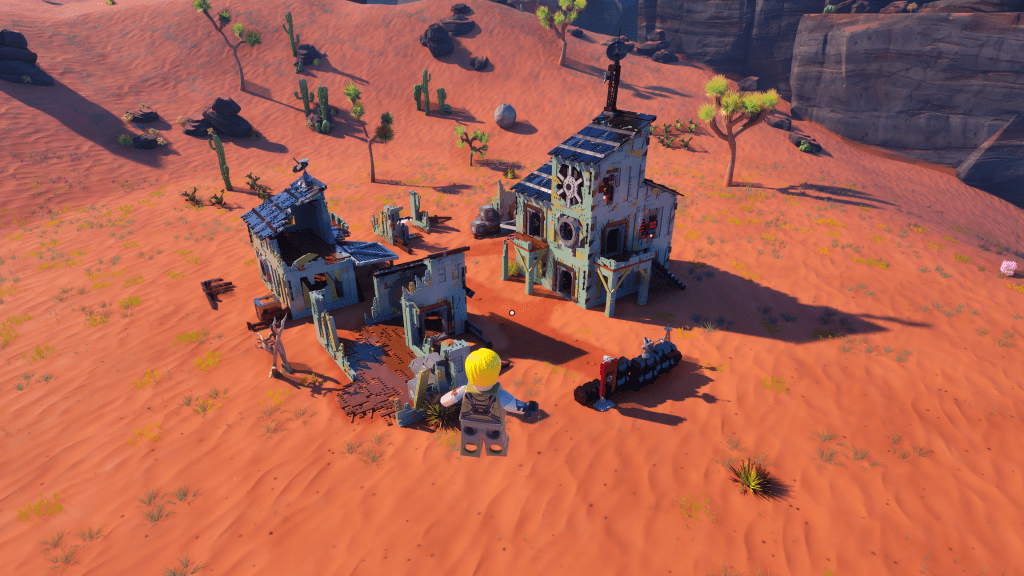
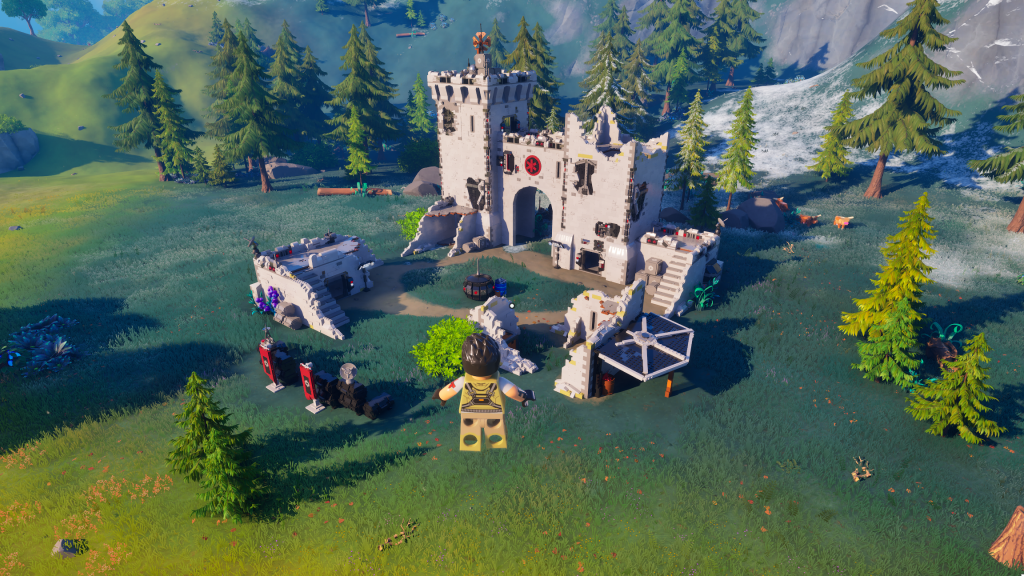
For the Star Wars update of Lego Fortnite, I had the opportunity to remix existing POIs using assets from the IP. The goal was to make them look like they had been taken over by the Empire who are trying to survive the world of Lego Fortnite after being stranded by a Metaverse event. It was awesome to work with Star Wars and Lego simultaneously and I’m very happy with the results.
I was very fortunate to collaborate with Lego artists and have the ability to request assets I thought would go a long way in making these POIs feel unmistakably “Star Wars”. Our approach was to focus on Lego prefabs that could be applied in many places and break the silhouette with radars, antennae, TIE Fighter wings, etc. as much as possible, creating a clear distinction between the remixed POIs and the originals.
Lego Fortnite
Level Designer
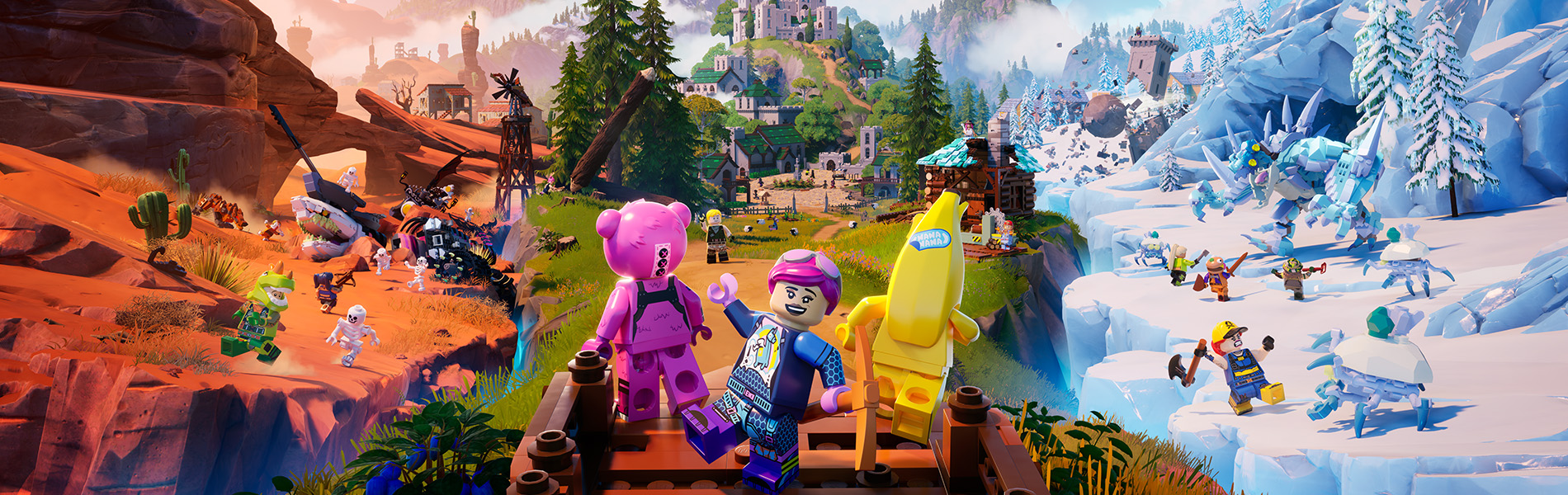
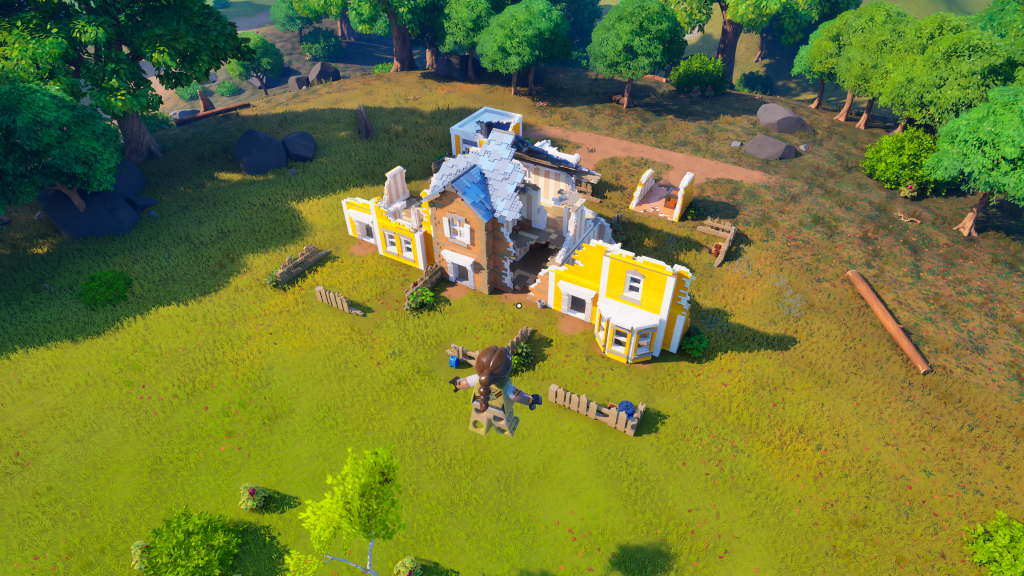
I was very excited for the opportunity to work on Lego Fortnite and help ship the game to millions of players. As a level designer, I built Lego POIs that would spawn in a massive, procedurally generated open-world. Being someone who grew up with Lego and still enjoys it to this day, the project was a good fit for me and I was asked to stay on the team for future updates.
I worked a lot with the suburban theme for the base game and successfully pitched town-like POIs featuring rows of houses. This helped enhance the narrative that people used to live in this world before being overtaken by nature and bandits.


UEFN / Creative
Game Designer
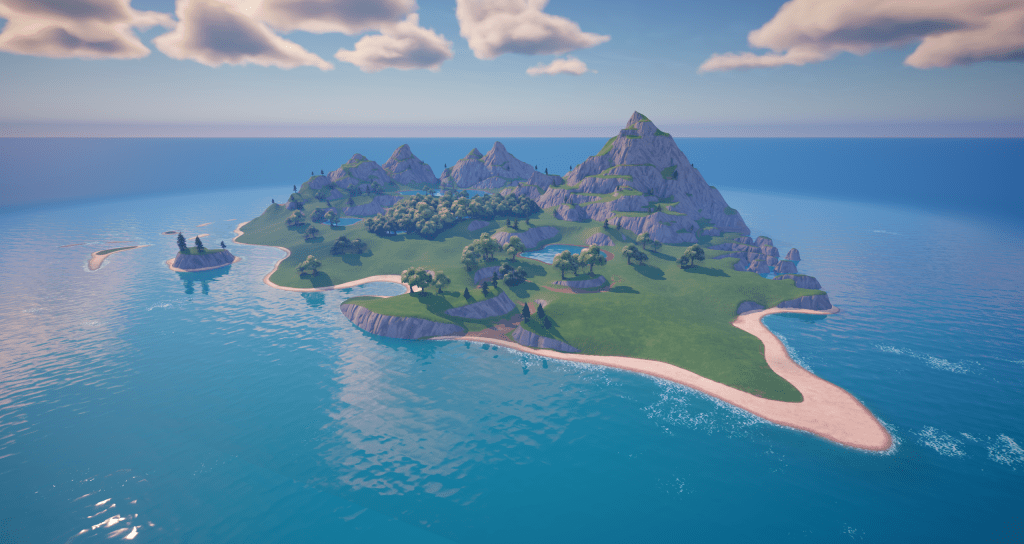
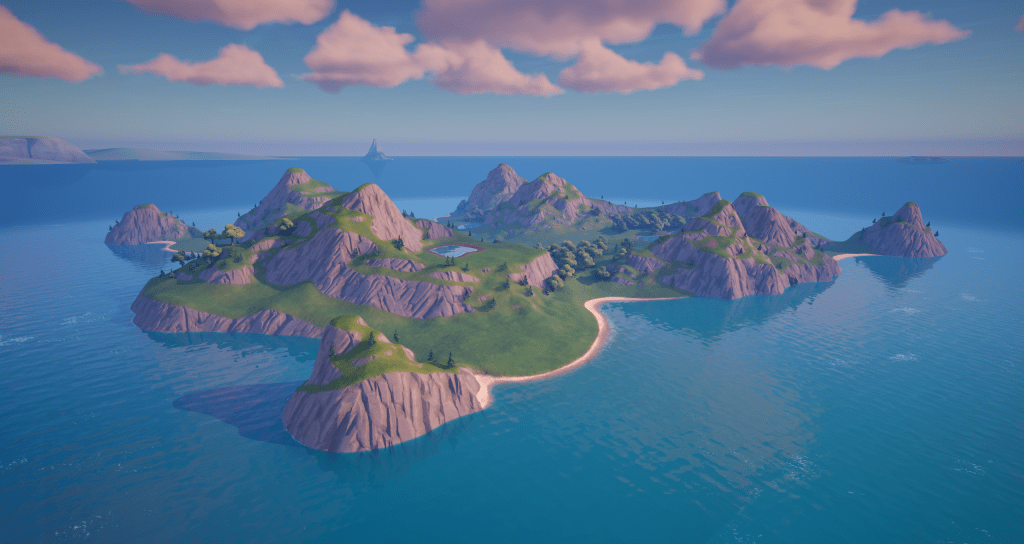
I started my game design journey on the Unreal Editor for Fortnite / Creative team. While there, I polished and implemented creator-made POIs into the main Battle Royale island, designed prefab structures across multiple themes for creator use, and made island templates to give creators a high quality starting point for their games.
I sculpted the island templates using Unreal Engine’s landscaping tools and was fortunate enough to receive guidance and feedback from some of the main Battle Royale level designers. My goal was to design islands that could be used for a wide range of game modes from shooters to even role-playing games. These templates can still be used today when creating a new project in UEFN or Creative.

Fortnite
Marketing Artist
As a Marketing Artist, I used Unreal Engine to stage, frame, and light objects that were used in both marketing materials and UI. I delivered dozens of renders for each seasonal release of Fortnite under tight deadlines, ensuring items were easily readable in the UI and character skins looked appealing in the store.
I also composed screenshots which were used to market new items, skins, POIs, and game modes. One was even featured in a Rolling Stone article involving an interview with Epic Games CEO Tim Sweeney. These were great exercises in compositional skills which would later translate greatly into level design.

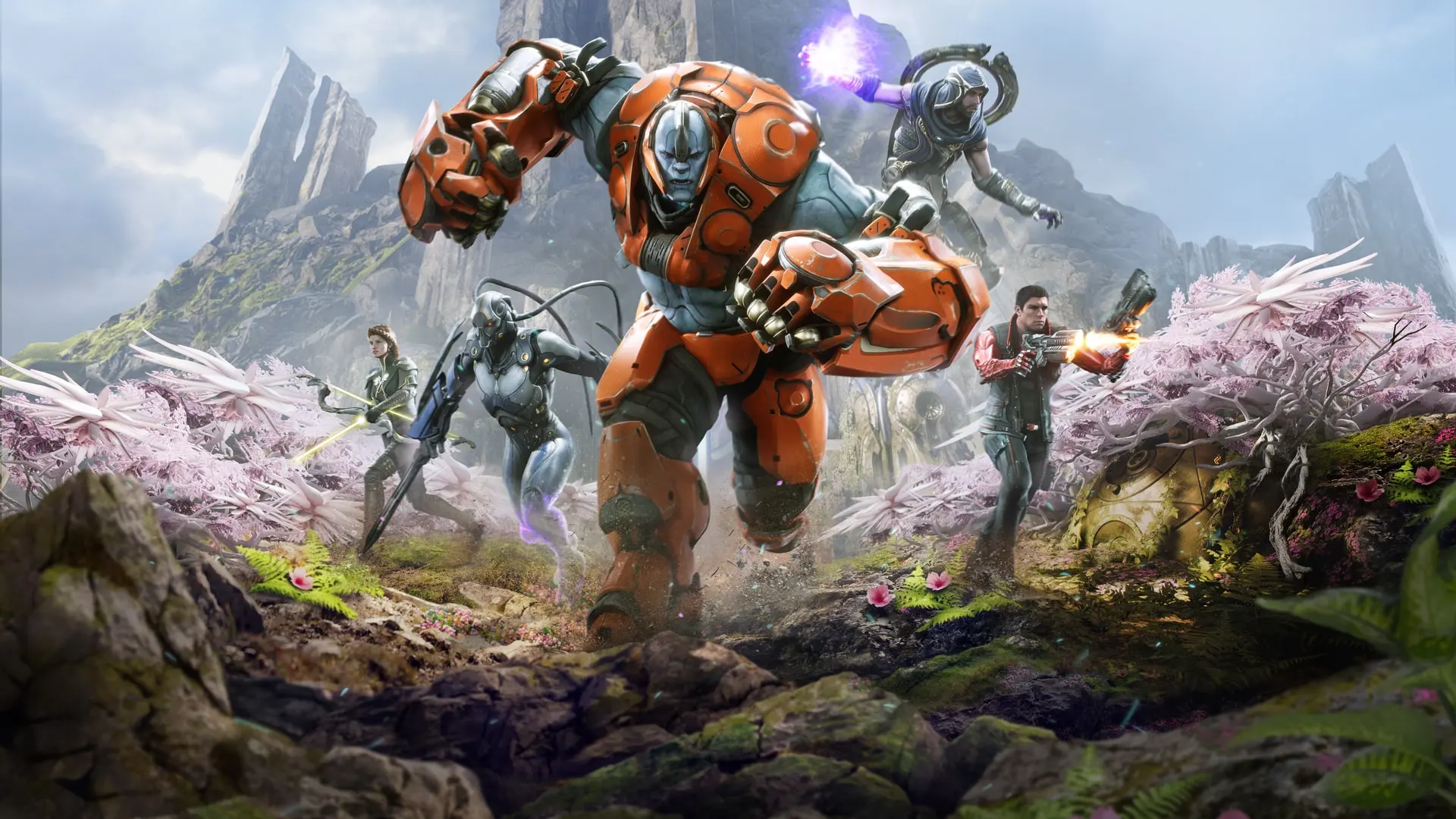
Paragon
Game Capture Specialist
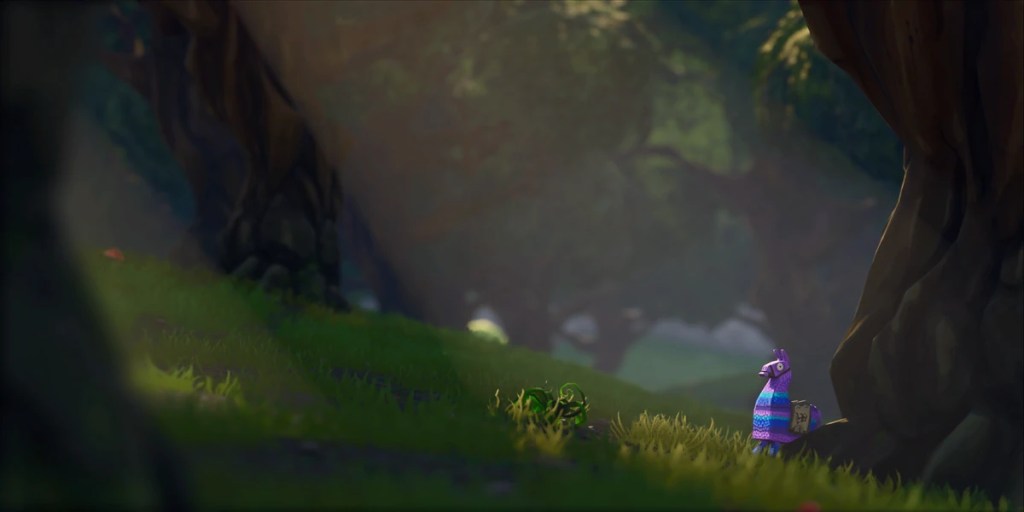
I first joined Epic as a Game Capture Specialist. During this time I cooperated in gameplay capture sessions to showcase upcoming Paragon heroes and coordinated with video editors to compose shots for trailers using Paragon’s replay system.
I also used Unreal Engine’s Sequencer to create in-engine shots for cinematics by staging environments with characters, assigning animations, keyframing the camera throughout the shot, and finally lighting the scene. This helped create exciting trailers, garnering millions of views for the game.